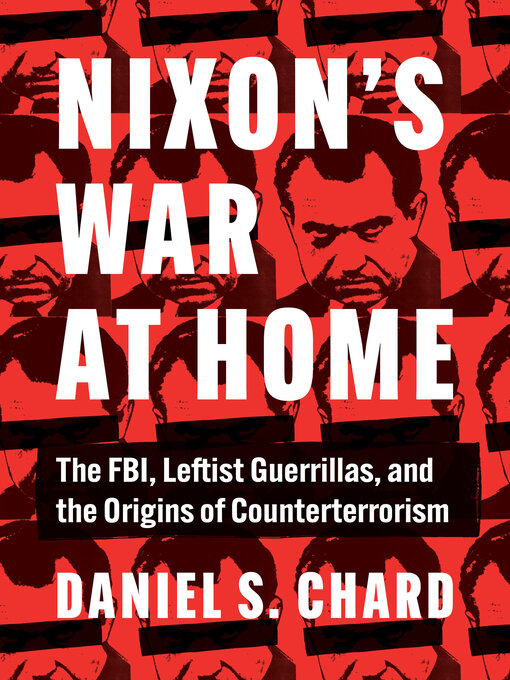
During the presidency of Richard Nixon, homegrown leftist guerrilla groups like the Weather Underground and the Black Liberation Army carried out hundreds of attacks in the United States. The FBI had a long history of infiltrating activist groups, but this type of clandestine action posed a unique challenge. Drawing on thousands of pages of declassified FBI documents, Daniel S. Chard shows how America’s war with domestic guerrillas prompted a host of new policing measures as the FBI revived illegal spy techniques previously used against communists in the name of fighting terrorism. These efforts did little to stop the guerrillas—instead, they led to a bureaucratic struggle between the Nixon administration and the FBI that fueled the Watergate Scandal and brought down Nixon. Yet despite their internal conflicts, FBI and White House officials developed preemptive surveillance practices that would inform U.S. counterterrorism strategies into the twenty-first century, entrenching mass surveillance as a cornerstone of the national security state.
Connecting the dots between political violence and “law and order” politics, Chard reveals how American counterterrorism emerged in the 1970s from violent conflicts over racism, imperialism, and policing that remain unresolved today.
- Available now
- Banned Books Week: Always Avaiable Titles
- California Authors
- Most popular
- At the End of All Things--Complete Fantasy Series
- Crime Queens of the Golden Age
- Try something different
- True Adventure Stories
- Bookish Romance
- See all ebooks collections
- Audiobooks for the Drive to Las Vegas
- Audiobooks for the Drive to Palm Springs
- Audiobooks for the Drive to San Francisco
- Available now
- Audiobooks for the Whole Family
- Uplifting Listens
- Most Popular Audio Between 1 and 3 Hours
- New audiobook additions
- Listen While You Run: Audiobooks for Workouts
- Try something different
- Most popular
- See all audiobooks collections
