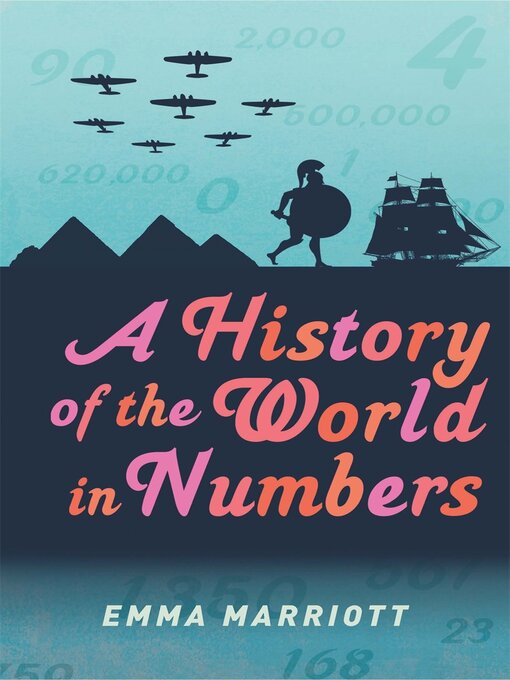
The history of our world can be told through numbers. Numbers can illuminate the broad sweep of history, from vast movements of populations and the expansion of empires to the effects of technological achievements or climatic change. They also allow us to drill into the real detail of history, from the page count, the cost and the time it took to produce the Gutenberg Bible (the West's first mass-produced book) to the price of Virginian tobacco in the 1620s, both of which had an immediate and lasting effect on the course of world history.
And, just occasionally, numbers have the power to blow our minds. For example: in 2003 US research showed that one in every 200 men living on the planet today shares genetic material from a single male from around 900 years ago; the likely progenitor was Mongol emperor, Genghis Khan.
A History of the World in Numbers will span the early civilizations of man, from the plains of Mesopotamia and the Indus Empire, right through to the modern day. The numbers, statistics and figures will dictate the topic of each entry, shining a light on each subject, whether it's the development of early writing in China or the number of Brodie helmets issued in World War One.
- Available now
- Banned Books Week: Always Avaiable Titles
- California Authors
- Most popular
- At the End of All Things--Complete Fantasy Series
- Crime Queens of the Golden Age
- Try something different
- True Adventure Stories
- Bookish Romance
- See all ebooks collections
- Audiobooks for the Drive to Las Vegas
- Audiobooks for the Drive to Palm Springs
- Audiobooks for the Drive to San Francisco
- Available now
- Audiobooks for the Whole Family
- Uplifting Listens
- Most Popular Audio Between 1 and 3 Hours
- New audiobook additions
- Listen While You Run: Audiobooks for Workouts
- Try something different
- Most popular
- See all audiobooks collections